
India’s Farm Exports Face Growing Global Quality Hurdles
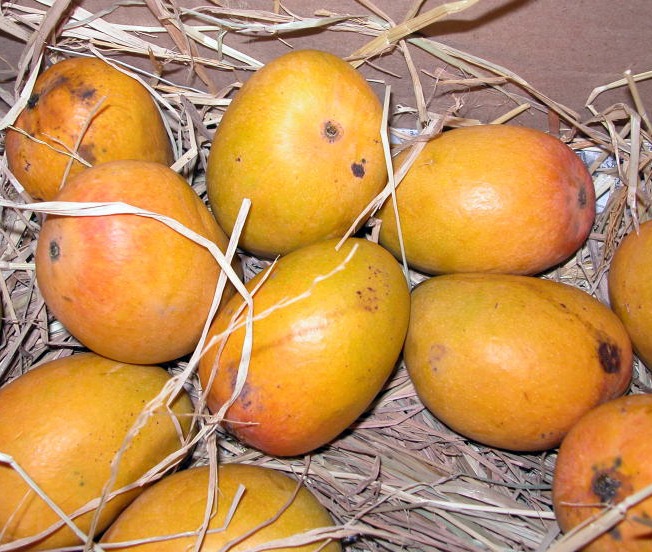
The agricultural export industry of India is suffering from serious hurdles in the international market in terms of quality control and certifications. For instance, in March 2026, Japan stopped importing six varieties of mangoes from India, including Alphonso and Kesar varieties, citing operational issues in a processing plant located in Lucknow. This was the first time since the last two decades that the Indian mango trade with Japan had been disturbed owing to quality control issues. Soon after this, China canceled the import licenses of three big Indian exporters of rice, suspecting them of GMO contamination in their produce. Earlier, there were bans on Indian spices in Hong Kong and stricter inspections of cumin by EU. These rejections suggest a lot about the structural weaknesses of India's agricultural value chain, which includes fragmented testing facilities, lack of cold chain network, and poor field-to-shipping logistics. Though India remains the world's second largest producer of agriculture, it contributes just 2.4 percent of the world's agricultural exports.